
07 Apr Infrastructure Development: The Foundation for Economic Growth & Sustainable Societies
How transportation, energy, and water infrastructure projects create jobs, drive economic development, and improve quality of life worldwide

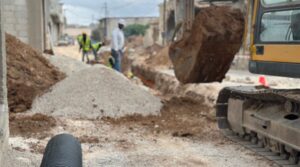
The Vital Role of Infrastructure in Modern Society
Infrastructure serves as the fundamental framework that supports economic activities, enhances quality of life, and enables societal progress. From transportation networks that connect communities to energy systems that power industries, infrastructure represents the backbone of modern civilization. In this comprehensive analysis, we explore how strategic infrastructure development drives sustainable growth and creates lasting value for societies worldwide.
💡 Key Insight
Every $1 invested in infrastructure generates approximately $3 in economic growth, making it one of the most effective catalysts for sustainable development and poverty reduction.
At Future Builders, we recognize that infrastructure development extends beyond physical construction—it encompasses creating systems that support economic empowerment, social equity, and environmental sustainability. Our approach integrates innovative engineering with community-focused solutions to build infrastructure that serves current needs while anticipating future challenges.
Comprehensive Benefits of Infrastructure Development
Economic Empowerment & Growth
Infrastructure projects create multiplier effects throughout the economy by facilitating trade, reducing transportation costs, and attracting investments. Quality infrastructure enables businesses to operate efficiently, access new markets, and compete globally. According to World Bank studies, countries with advanced infrastructure experience GDP growth rates 1.5% higher than those with inadequate systems.
Job Creation & Skills Development
Large-scale infrastructure projects generate employment across multiple sectors—from engineering and construction to maintenance and operations. These projects also provide opportunities for skills development, technical training, and capacity building within local communities, creating lasting human capital benefits.
Improved Quality of Life
Access to clean water, reliable electricity, efficient transportation, and modern communication systems directly impacts daily living standards. Infrastructure development reduces time spent on basic activities, improves health outcomes through better sanitation, and enhances educational opportunities through connectivity.
⚠️ Critical Consideration
Sustainable infrastructure requires balancing immediate development needs with long-term environmental and social impacts, ensuring projects benefit current and future generations.
Key Infrastructure Components
Transportation Networks
Modern transportation systems—including roads, bridges, railways, airports, and ports—form the circulatory system of economies. Efficient transportation reduces logistics costs by up to 30%, enhances market access for producers, and enables labor mobility. Smart transportation infrastructure now incorporates IoT sensors, real-time monitoring, and sustainable materials to optimize performance.
Energy Infrastructure
Reliable energy systems power economic activities and enable technological advancement. Modern energy infrastructure integrates traditional power generation with renewable sources, smart grids, and energy storage solutions. This diversification ensures energy security while supporting climate objectives.
Water & Sanitation Systems
Water infrastructure encompasses supply networks, treatment facilities, irrigation systems, and wastewater management. Advanced systems now incorporate water recycling, leak detection technologies, and demand management to optimize this precious resource. Every $1 invested in water and sanitation yields $4-12 in economic returns through improved health and productivity.
Digital Infrastructure
The 21st-century economy depends on robust digital infrastructure—broadband networks, data centers, and communication systems. Digital connectivity enables e-commerce, remote services, and innovation ecosystems. Countries with advanced digital infrastructure experience 1.4% higher annual productivity growth.
Sustainable Infrastructure Development
Modern infrastructure projects must address multiple sustainability dimensions:
- Environmental Sustainability: Incorporating green materials, renewable energy integration, and ecosystem preservation in project design.
- Economic Sustainability: Ensuring projects generate positive returns through efficient operations and maintenance strategies.
- Social Sustainability: Engaging communities in planning, ensuring equitable access, and creating inclusive benefits.
- Climate Resilience: Designing infrastructure to withstand climate impacts through adaptive engineering and risk mitigation.
- Circular Economy Principles: Implementing material recycling, waste reduction, and resource efficiency throughout project lifecycles.
Technological Innovations in Infrastructure
Smart Infrastructure Systems
IoT sensors, AI analytics, and predictive maintenance transform traditional infrastructure into intelligent systems. Smart infrastructure monitors performance in real-time, optimizes resource use, and predicts maintenance needs before failures occur.
Building Information Modeling (BIM)
BIM enables comprehensive digital modeling of infrastructure projects, improving design accuracy, reducing construction errors, and optimizing lifecycle management. Projects using BIM experience 20-30% cost savings through improved coordination.
Prefabrication & Modular Construction
Advanced manufacturing techniques allow infrastructure components to be built off-site under controlled conditions, then assembled on location. This approach reduces construction time by up to 50%, minimizes environmental impact, and enhances quality control.
Advanced Materials
Self-healing concrete, carbon-sequestering materials, and smart coatings extend infrastructure lifespan while reducing maintenance requirements. These innovations improve durability while lowering lifecycle costs.
Future Builders’ Infrastructure Expertise
Comprehensive Project Management
Our team manages infrastructure projects from feasibility studies through design, construction, and operation. We prioritize stakeholder engagement, risk management, and sustainability integration throughout all project phases.
Specialized Sector Solutions
We develop tailored infrastructure solutions for transportation, energy, water, and digital sectors, ensuring each project addresses specific community needs and development objectives.
Sustainable Design Integration
Future Builders incorporates green building standards, renewable energy systems, and water conservation technologies into all infrastructure projects, maximizing environmental benefits.
Community Development Focus
Our infrastructure projects prioritize local employment, skills training, and long-term community benefits. We engage stakeholders throughout project development to ensure alignment with local needs and priorities.
🎯 Our Commitment
Future Builders is dedicated to developing infrastructure that balances economic growth with environmental stewardship and social equity, creating lasting value for communities across Syria and the region.
Economic Impact Analysis
Infrastructure investment generates significant economic returns through multiple channels:
- Direct Employment: Infrastructure projects create immediate construction jobs and long-term operational positions
- Productivity Gains: Efficient infrastructure reduces business costs and enhances competitiveness
- Investment Attraction: Quality infrastructure attracts domestic and foreign investment
- Market Expansion: Improved connectivity enables access to regional and global markets
- Innovation Enablement: Modern infrastructure supports technological adoption and innovation ecosystems
Global Infrastructure Trends
Current global infrastructure development focuses on several key trends:
- Integration of climate resilience into all infrastructure planning and design
- Accelerated digital transformation of traditional infrastructure systems
- Increased private sector participation through public-private partnerships
- Focus on maintenance and optimization of existing infrastructure assets
- Development of cross-border infrastructure to enhance regional integration
Strategic Infrastructure for Sustainable Development
Infrastructure development represents more than physical construction—it embodies a strategic investment in economic prosperity, social well-being, and environmental sustainability. As global challenges evolve, infrastructure must adapt to serve changing needs while maintaining resilience against future uncertainties.
The most successful infrastructure projects balance immediate functionality with long-term sustainability, integrate technological innovation with community engagement, and deliver economic returns while advancing social equity. Future Builders remains committed to this comprehensive approach, developing infrastructure that serves as the foundation for prosperous, resilient communities.
By prioritizing sustainable practices, technological integration, and stakeholder collaboration, we can build infrastructure systems that not only meet today’s needs but also create lasting value for future generations. The path to sustainable development runs through well-planned, responsibly executed infrastructure that connects communities, powers economies, and protects our shared environment.
Ready to Develop Sustainable Infrastructure?
Contact our infrastructure experts to discuss your development projects and sustainable solutions