

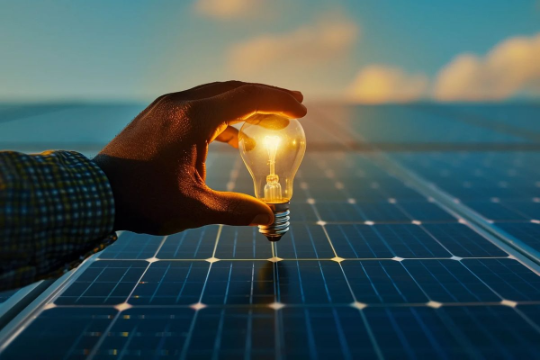
09 Oct Solar Energy: Benefits and Challenges of Alternative Energy
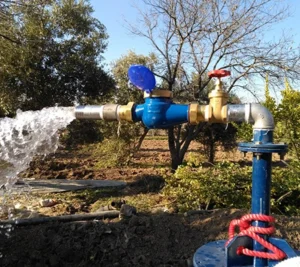
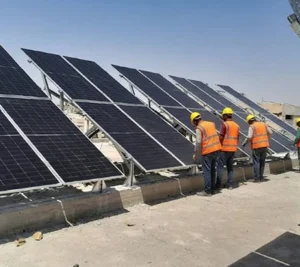
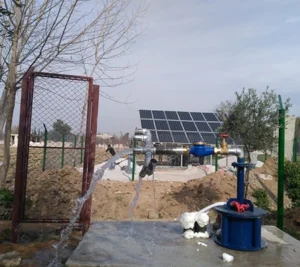
The Rise of Alternative Energy
Due to the climate changes that have appeared on our planet in the past few decades, which have caused harmful emissions contributing to climate change and phenomena like La Niña and El Niño, among others, environmental, geographical, and economic disasters have emerged, threatening human life on Earth. This is the result of the excessive and growing use of coal and fossil fuels amid the intense industrial development race.
💡 Key Insight
The transition to alternative energy is not just an environmental necessity but an economic opportunity that creates sustainable jobs and reduces energy costs in the long term.
It became necessary for scientists to discover and utilize energy sources on Earth that are clean, renewable, less polluting to the environment, and offer sustainable solutions, reducing dependence on traditional fuels. The most important of these sources include solar, hydro, wind, and light energy.
Benefits of Alternative Energy
Environmental Sustainability
Alternative energy reduces harmful greenhouse gas emissions and contributes significantly to combating climate change. Unlike fossil fuels that release carbon dioxide and other pollutants, renewable sources produce minimal emissions during operation.
Energy Availability
These sources are abundant, present everywhere, and inexhaustible. The sun provides enough energy in one hour to power the entire world for a year. Wind and water resources are similarly plentiful and widely distributed.
Economic Benefits
Renewable energy generates three times as many job opportunities compared to fossil fuels, and becomes stronger over time. The renewable energy sector has shown consistent growth even during economic downturns, demonstrating its resilience and long-term viability.
⚠️ Important Consideration
While initial costs can be high, the long-term economic benefits of renewable energy far outweigh these investments through reduced operational costs and environmental benefits.
Types of Alternative Energy
Solar Energy
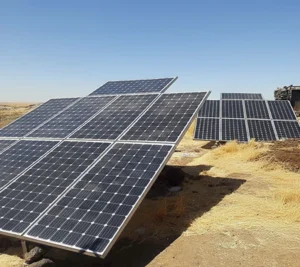
Harnessing energy from the sun through photovoltaic panels or concentrated solar power systems. Solar energy is the most abundant energy resource on Earth and can be deployed at various scales from residential to utility-scale installations.
Wind Energy
Converting wind power into electricity using wind turbines. Wind farms can be located onshore or offshore, with offshore wind offering higher consistency and capacity factors.
Hydroelectric Power
Generating electricity from flowing water, typically through dams or run-of-river systems. Hydropower is one of the oldest and most established forms of renewable energy.
Geothermal Energy
Utilizing heat from the Earth’s interior for heating and electricity generation. Geothermal resources are particularly valuable for their consistent availability regardless of weather conditions.
Challenges of Alternative Energy
However, the use of this energy faces significant challenges:
- High Initial Construction Costs: The upfront investment for renewable energy infrastructure can be substantial, though costs have decreased dramatically in recent years.
- Intermittency and Storage: The difficulty of long-term or permanent storage, along with dependence on local weather changes, requires advanced energy storage solutions.
- Grid Integration: Integrating variable renewable sources into existing power grids requires smart grid technologies and infrastructure upgrades.
- Land Use Concerns: Large-scale renewable projects require significant land area, which must be balanced with other land uses and environmental considerations.
- Material Requirements: Some renewable technologies require rare earth elements and other materials with their own environmental and supply chain challenges.
Technological Innovations
Energy Storage Solutions
Advances in battery technology, particularly lithium-ion and emerging technologies like flow batteries and solid-state batteries, are addressing the intermittency challenge of renewable energy.
Smart Grid Technology
Modern grid management systems enable better integration of distributed renewable resources, improving reliability and efficiency.
Floating Solar Farms
Installation of solar panels on water bodies reduces land use conflicts and increases efficiency through natural cooling.
Offshore Wind Innovation
Floating wind turbine technology is opening up new areas for wind energy development in deeper waters with stronger, more consistent winds.
Future Builders’ Role in Renewable Energy
Solar Project Implementation
We design and install solar energy systems for residential, commercial, and industrial applications, helping clients reduce energy costs and carbon footprints.
Energy Efficiency Consulting
Our team provides comprehensive energy audits and recommendations to optimize energy use alongside renewable energy installations.
Hybrid Energy Systems
We develop integrated energy solutions that combine multiple renewable sources with energy storage for maximum reliability and efficiency.
Infrastructure Development
Future Builders is involved in developing the infrastructure needed to support renewable energy deployment, including grid connections and charging infrastructure.
🎯 Our Commitment
Future Builders is committed to advancing renewable energy adoption through innovative engineering solutions, sustainable project development, and community education about clean energy benefits.
The Economic Case for Renewable Energy
The economic benefits of transitioning to renewable energy extend beyond job creation:
- Energy Price Stability: Renewable energy provides protection against volatile fossil fuel prices
- Reduced Healthcare Costs: Lower air pollution leads to significant public health savings
- Energy Independence: Reduced reliance on imported fuels enhances national energy security
- Rural Development: Renewable projects often bring economic opportunities to rural areas
- Technology Export Opportunities: Countries that lead in renewable technology can export expertise and equipment
Global Trends and Projections
According to the International Energy Agency and other leading organizations:
- Renewable energy is set to account for almost 95% of the increase in global power capacity through 2026
- Solar PV alone is expected to provide more than half of this growth
- The cost of solar electricity has fallen by 85% since 2010
- Wind power costs have decreased by about 50% over the same period
- Global renewable energy investment is expected to reach $2.8 trillion by 2030
Conclusion and Way Forward
The transition to alternative energy is not merely an environmental imperative but a comprehensive opportunity for economic growth, job creation, and energy security. While challenges exist in terms of initial costs, storage, and grid integration, technological advancements are rapidly addressing these issues.
The benefits of renewable energy—including environmental protection, energy independence, economic resilience, and public health improvements—far outweigh the challenges. With continued investment, innovation, and supportive policies, alternative energy sources will play an increasingly dominant role in the global energy mix, creating a sustainable future for generations to come.
Future Builders remains at the forefront of this transition, implementing practical renewable energy solutions and contributing to the global effort to combat climate change while building economic prosperity.
Ready to Embrace Renewable Energy?
Contact our energy experts to discuss solar and renewable energy solutions for your project