
15 Dec The water crisis in Syria: the current water situation and water resource management solutions
Future Builders analyzes Syria’s water crisis and presents practical, sustainable solutions to its challenges
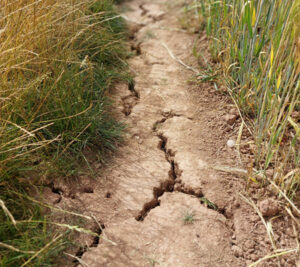
The water crisis in Syria
This report provides a comprehensive engineering and field assessment of the water situation in Syria, analyzing the climatic and hydrological factors that have exacerbated the water crisis in recent decades. The study reviews conventional and unconventional water resources, changes in precipitation and evaporation rates, and the status of rivers and natural reservoirs, along with a comprehensive assessment of the structural challenges that have affected water security. The report also addresses the urgent measures required to ensure resource sustainability, as well as Future Builders’ role in supporting water infrastructure and implementing vital related projects.
💡 Quick Summary
Syria faces an increasing water deficit due to declining rainfall rates, rising evaporation rates, and population and agricultural growth, necessitating the development of integrated strategies for water resource management.
The water situation in Syria and what needs to be done
Syria faces a real water crisis that is gradually worsening, with drought and water scarcity becoming a normal part of the climate, especially in the eastern and southern regions. With accelerating climate change, the country has seen a significant decline in rainfall, placing Syria among the countries most vulnerable to water shortages in the Middle East.
Water resources in Syria
Conventional water resources
These include groundwater, surface water, and rainwater. These resources vary annually and depend directly on climatic conditions, particularly the amount of precipitation and its geographical and temporal distribution.
Non-traditional water resources
These include treated wastewater and industrial rainwater. Although large quantities of wastewater are available, the proportion of resources that can be used for agriculture after treatment remains limited, which calls for the development of treatment infrastructure and increased efficiency to serve water security.
Rainfall in Syria, evaporation rates, and their impact on water resources
The average rainfall in Syria is around 250 mm per year in most regions, but this rate has decreased significantly since 2020. Rainfall occurs mainly in winter, with significant variation in precipitation from year to year, while the number of rainy days does not exceed 30 days per year. Dry climatic conditions and long hours of sunshine cause high evaporation rates, resulting in the loss of a large portion of rainfall before it can be stored in the soil or aquifers.
⚠️ Important Warning
Hydrological studies indicate a clear deficit in the water balance, especially in the eastern and southern regions, as a result of low precipitation and high evaporation rates.
Annual water balance in Syria and regional variations
Hydrological studies indicate a clear deficit in the water balance, especially in the eastern and southern regions, as a result of low precipitation and high evaporation rates. The northeastern regions, on the other hand, experience a relative improvement in the period from November to the end of May, only to face a deficit again during the summer and autumn months. In contrast, coastal and highland areas record a water surplus in wet seasons, reflecting the sharp geographical variation in the distribution of water resources.
Surface water resources in Syria: rivers, reservoirs
Syria has several perennial rivers, but most of them have low and variable discharge from year to year depending on rainfall. The Euphrates and Tigris rivers are relative exceptions in terms of discharge stability. The country also lacks large inland lakes, with the exception of reservoirs on the Euphrates and Orontes rivers and some coastal areas, which rely on the collection of winter rainfall.
Non-conventional water resources: wastewater and rainwater harvesting projects
Although large quantities of wastewater are available, the proportion that is suitable for agricultural use after treatment remains limited, with the exception of central stations such as the Adra treatment plant, which is the largest source of treated water in the country. In inland cities, a large part of the wastewater ends up in rivers and streams without treatment, creating a pollution problem that affects agriculture and groundwater. As for the artificial rainfall project that began in the 1990s, despite its promising beginnings, it came to a complete halt with the start of 2011.
Increasing demand for water in Syria and the impact of population, agricultural, and industrial growth
The need for water is increasing as a result of population growth and the expansion of agricultural and industrial activity. Per capita consumption is estimated at 100 liters per day, while achieving food security requires continued expansion of irrigated land and increased production efficiency per unit of area and per unit of water. The expansion of industrial facilities also contributes to increased water demand, widening the water gap year after year.
Definition of water security and threats to it in Syria
Water security is defined as the ability of a state and society to secure sufficient quantities and quality of water for various uses. With the current crisis worsening and demand increasing, there is an urgent need to develop clear national strategies to ensure the sustainability of resources and prevent their degradation.
Interrelated factors threatening water security in Syria
- Declining water resources and climate change
- The decline of the Euphrates River and its impact on energy and agriculture
- Decline in Rainfall and Snowfall
- Declining groundwater levels and springs drought
- Deterioration of infrastructure (dams, water networks, irrigation canals) as a result of war and neglect
- Unregulated drilling of wells
- Low water awareness and irrational consumption
🎯 Proposed Solutions
Solutions include: updating irrigation methods, developing treatment plants, rationalizing consumption, and community awareness of the importance of preserving water as strategic resources.
Responsibilities of the state and society and measures required to protect water resources
Cooperation with neighboring countries and implementation of water agreements
Syria needs to strengthen its position on shared water resources and comply with international agreements to ensure its full share of transboundary rivers.
Monitoring surface and groundwater resources and preventing depletion
This requires the establishment of continuous monitoring systems and the implementation of strict measures to limit the unregulated depletion of water resources.
Preventing unregulated well drilling and controlling encroachments
Controlling random drilling is one of the most important steps to protect groundwater reserves and reduce the rapid decline in water levels.
Reducing waste in drinking water and irrigation and upgrading networks
This requires the renovation and ongoing maintenance of water networks to reduce losses due to leaks and waste.
Rationalizing domestic consumption and raising prices when necessary
A carefully considered increase in the price per cubic meter contributes to reducing excessive use and promoting consumer awareness.
Treating wastewater and gray water
This includes developing treatment plants and utilizing gray water to reduce pressure on natural resources.
Modernizing irrigation methods and selecting water-efficient crops
The transition to modern irrigation is an essential step towards increasing efficiency, reducing waste, and improving productivity.
Future Builders’ role in supporting the water and infrastructure sector in Syria
Well drilling and energy security projects
The company has contributed to the implementation of projects to drill wells and connect them to electrical networks or sustainable energy sources.
Rehabilitation projects for drinking water refineries and purification plants in Aleppo
The company has worked to rehabilitate important parts of water purification systems, thereby improving the quality of the water supply.
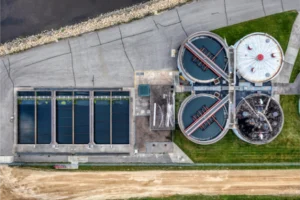
Development of the Adra wastewater treatment plant
The company participated in the rehabilitation of the largest sewage treatment plant in Syria, which is a key hub for treated water production.
Rehabilitation of the first pumping station in Adra
This was done to ensure the continued operation of the sewage network and reduce pressure on the infrastructure.
Rehabilitation of sewage networks in Deir ez-Zor
The work included rehabilitating damaged pipes and channels and developing drainage systems.
Implementation of integrated treatment plants to support agriculture
This is to secure additional resources for farmers and reduce dependence on fresh water.
Developing grey water plants and reducing water waste
This type of plant helps recover a large portion of water consumed domestically.
RO projects for drinking water purification
The company implements purification unit projects that use microfiltration technologies to ensure high-quality drinking water.
The company’s future vision
The company continues to work in line with a national vision that aims to build a resilient water infrastructure capable of meeting future challenges and ensuring sustainable water security.
Conclusion and Recommendations
The water crisis in Syria is one of the existential challenges that require urgent and sustainable solutions. The country needs an integrated strategy that includes improving resource management, updating infrastructure, and enhancing regional cooperation. Future Builders is committed to its role in these efforts, through providing innovative and sustainable engineering solutions that contribute to achieving water security for future generations.