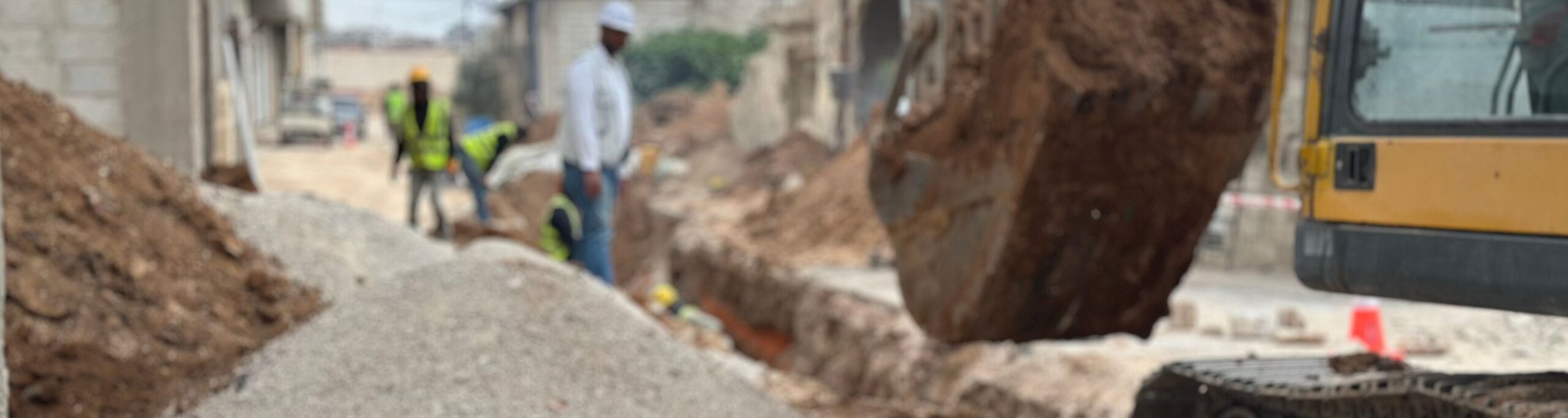
Rehabilitation of filtration section in the first sterilization station BAB AN-NAYRAB
project-7
project-7-1
project-7-2
project-7-3
project-7-4
project-7-6
project-7-7
project-7-8
project-7-9
project-7-10
project-7-11
project-7-12
project-7-13
About This Project
Project Overview
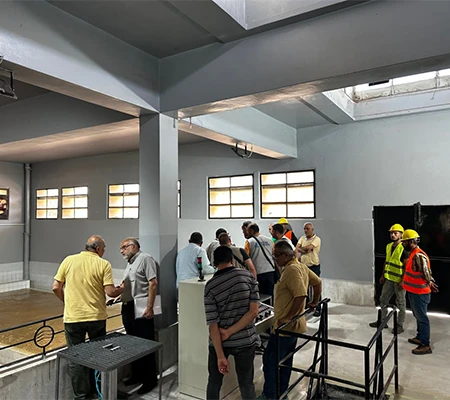
Bab Al-NAYRAB plant is one of the vital infrastructure facilities in the city of Aleppo, which sustained severe damage during the conflict. This project aims to rehabilitate the plant that supplies hundreds of thousands of residents with potable water, as the facilities suffer from corrosion and aging infrastructure due to years of neglect and previous damage. This intervention comes as part of efforts to support stability and essential services in the region.
Main Objectives
- Improve water quality: Ensure water meets health standards through effective filtration.
- Increase operational efficiency: Reduce downtime and costly maintenance.
- Restore service to the community: Provide a reliable water source for hundreds of thousands of beneficiaries in surrounding areas.
Scope of Work and Technical Details
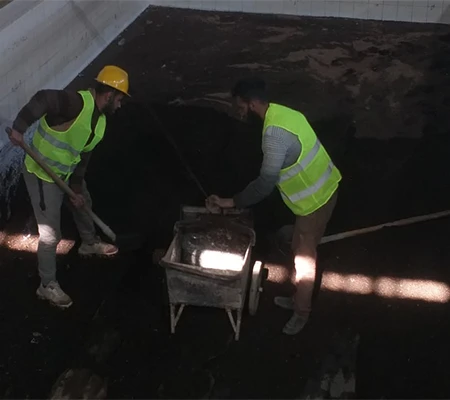
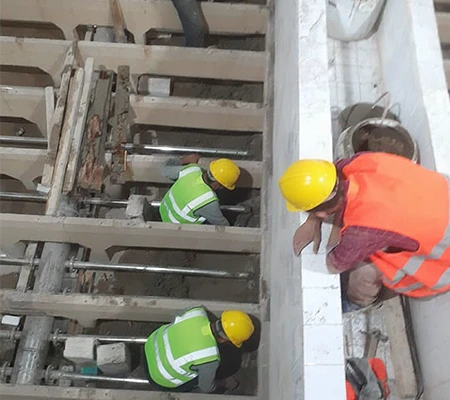
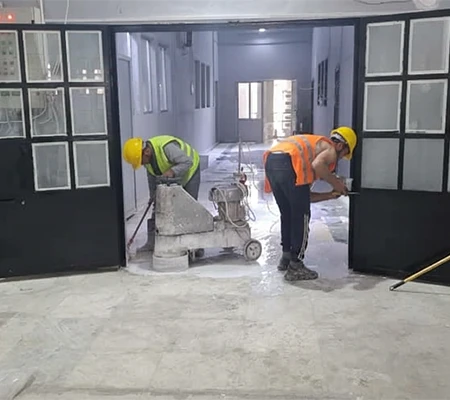
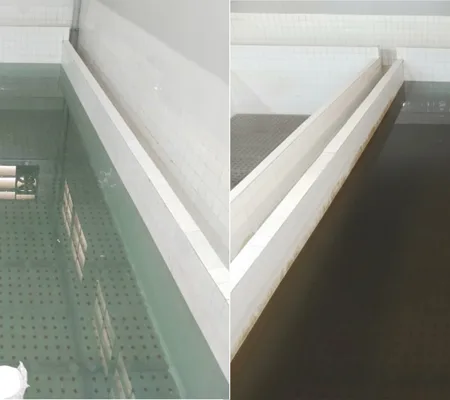
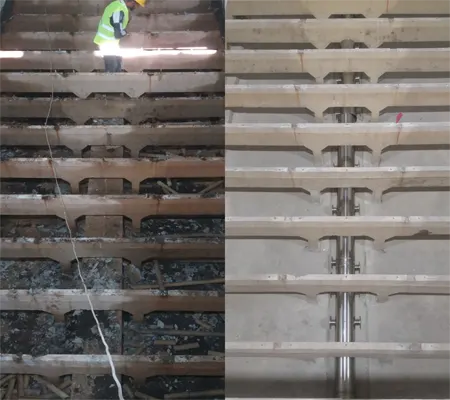
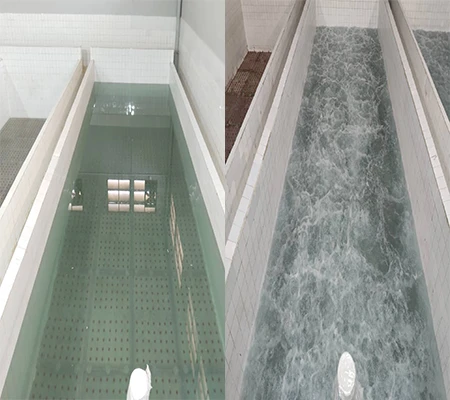
- The basins in the left section of the drinking water treatment plant were rehabilitated. The work included:
- Removing old residues.
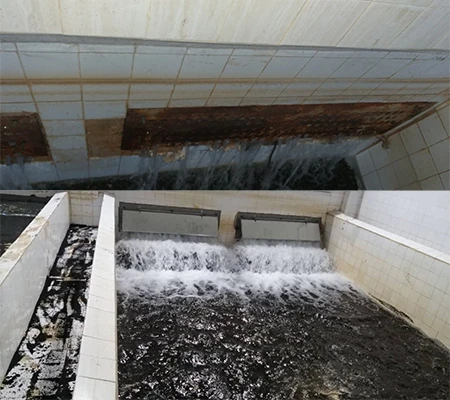
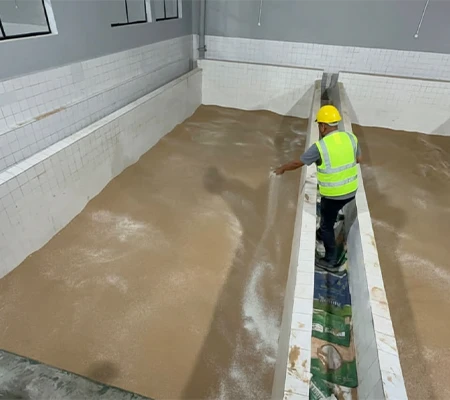
- Replacing the bases of sand filters and filtration elements.
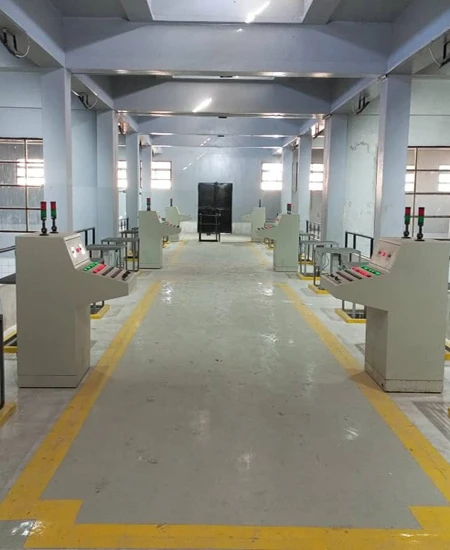
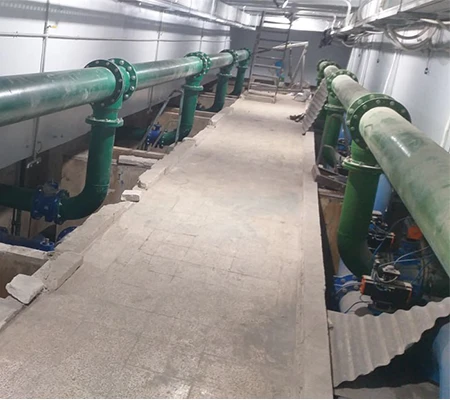
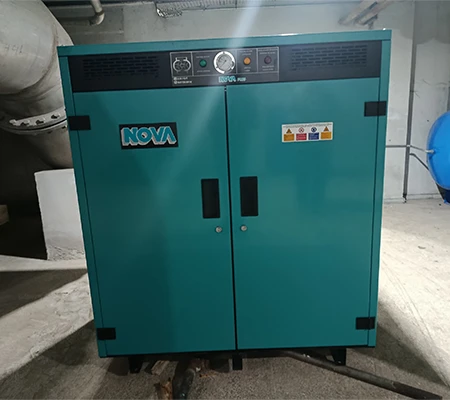
- Rehabilitating raw water circuits, treated water circuits, electrical control systems, and air circuits.
- Architectural restoration, along with the integration of GRP panel technology.
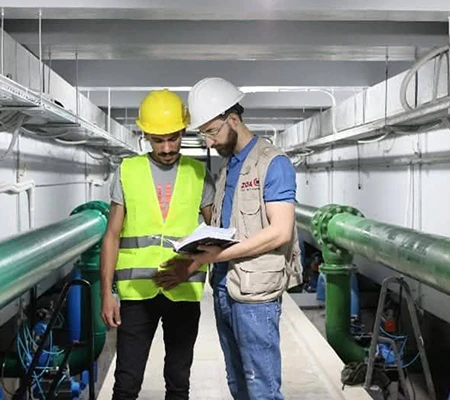
- These works were implemented under the supervision of a non-governmental organization (NGO).
Additional Technical Details
- Advanced Sand Filtration: The sand filtration system removes turbidity and fine impurities. Rehabilitation of filter bases and elements improves backwash efficiency and extends the filtration cycle life.
- GRP Panel Technology: Glass Reinforced Polymer panels were integrated; this material is resistant to corrosion and chemicals, ensuring a longer lifespan for structures.
- Control Systems: Rehabilitation of electrical and pneumatic control systems ensures complete and safe automation of the filtration process.
Expected Impacts
- Grid stability: Reduction of failures caused by clogged or damaged filters.
- Public health protection: Supply of water with low turbidity and free of contaminants.
- Environmental sustainability: The use of GRP technology reduces the need for continuous maintenance and minimizes waste.
Status
Completed projects
durations
120 days
Governorate
Aleppo
Project Year
2025
Contracting party:
ZOA