Project Overview
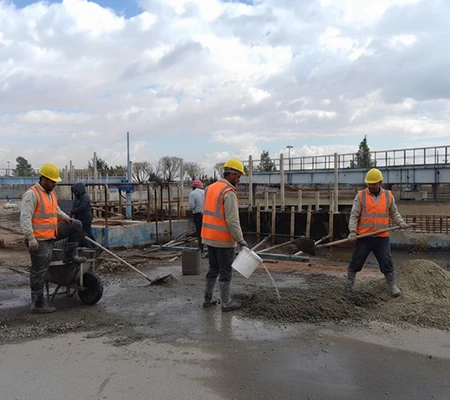
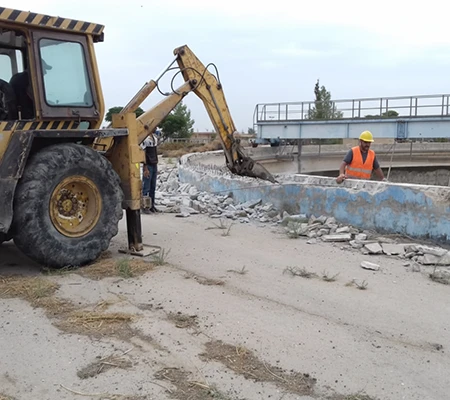
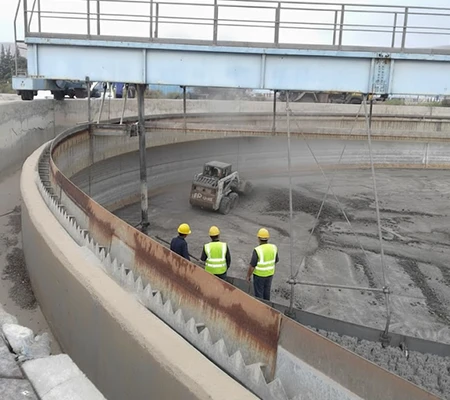
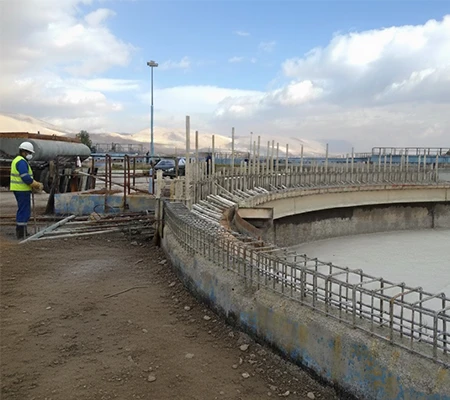
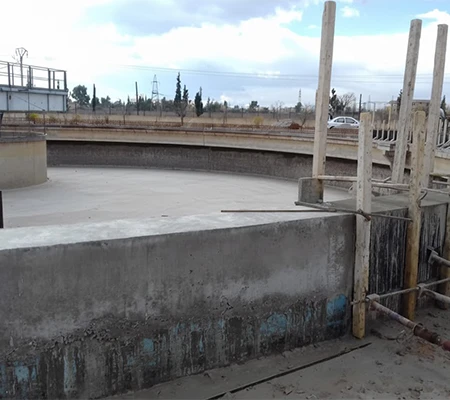
The Adra wastewater treatment plant is one of the largest and most important treatment facilities in Syria, having previously served over three million people in Damascus and its countryside . The plant sustained severe damage during the conflict, affecting its capacity to treat sewage and produce biogas . This project is part of reconstruction efforts supported by international donors, with the expansion and rehabilitation of the Adra plant included in the World Bank’s water sector projects in Syria for the period 2026-2031 .
Main Objectives
-
Restore environmental services: Treat wastewater before discharge to protect public health and the environment.
-
Support reconstruction: Provide functional infrastructure for the return of displaced persons and service stability in Rural Damascus.
-
Operational efficiency: Improve plant performance and reduce failures through modern automated control systems.
Scope of Work and Technical Details
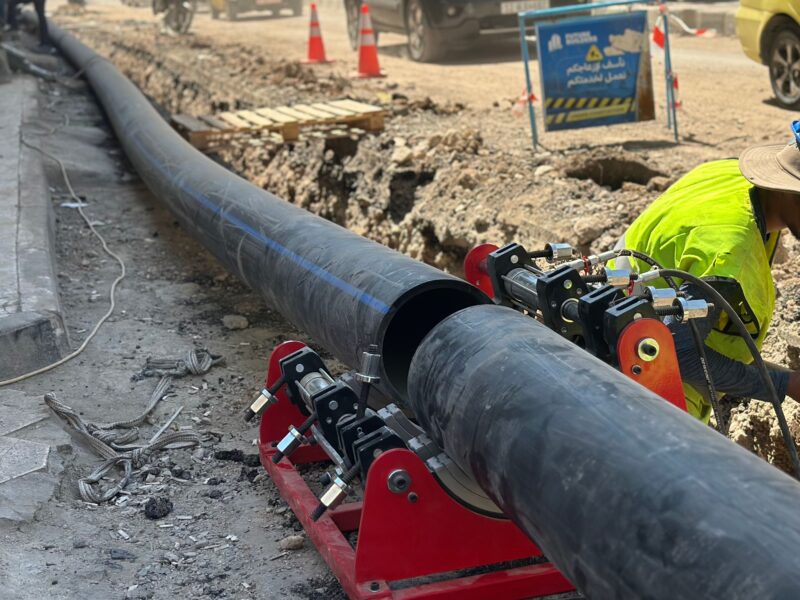
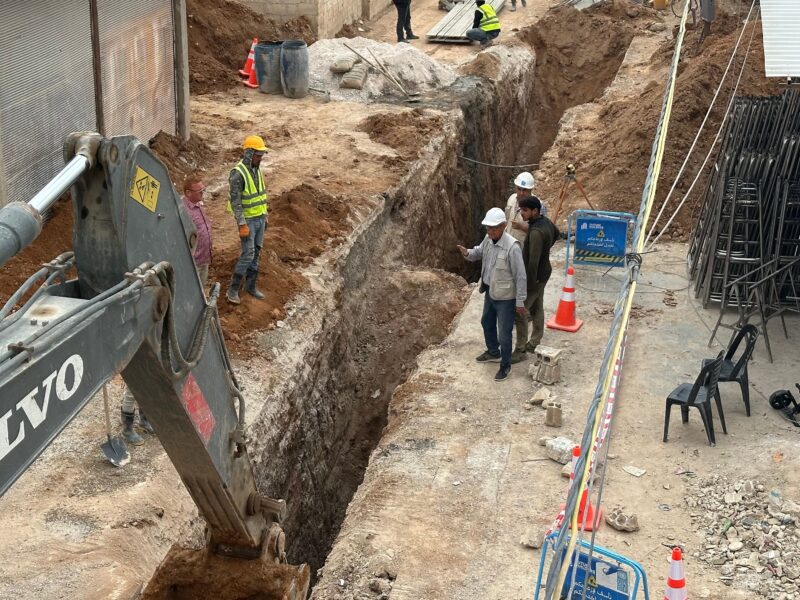
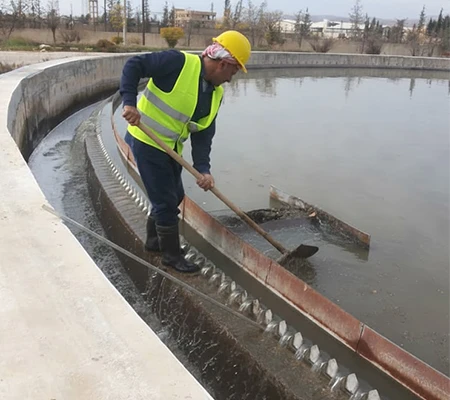
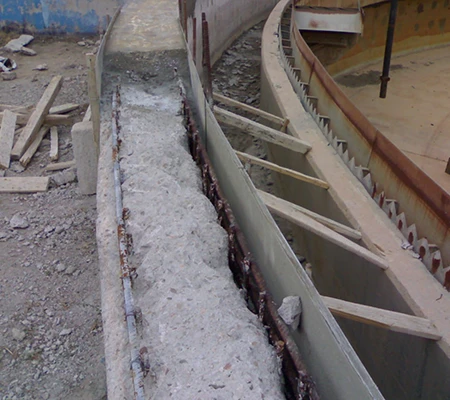
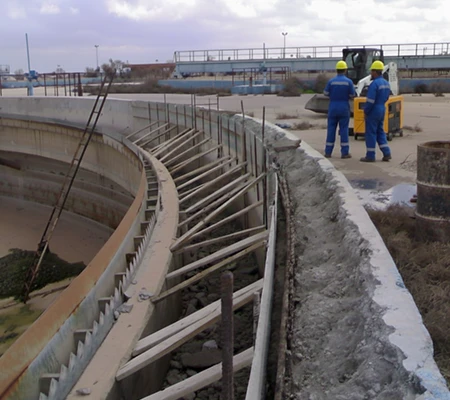
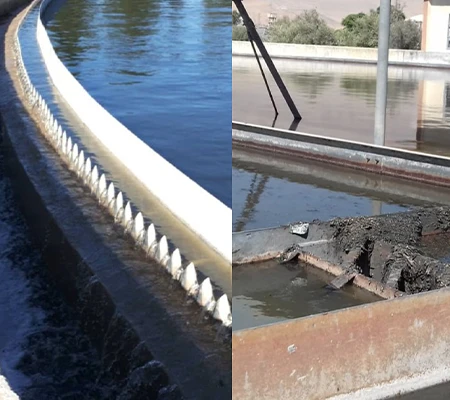
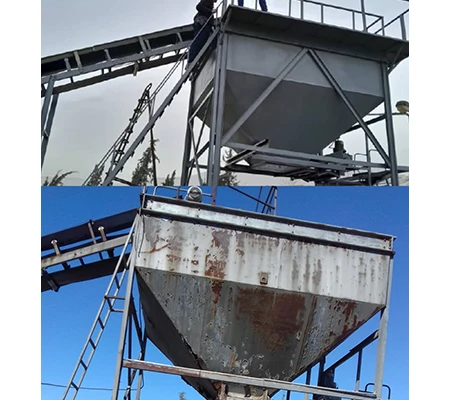
- Most parts of the station were rehabilitated. The work included:
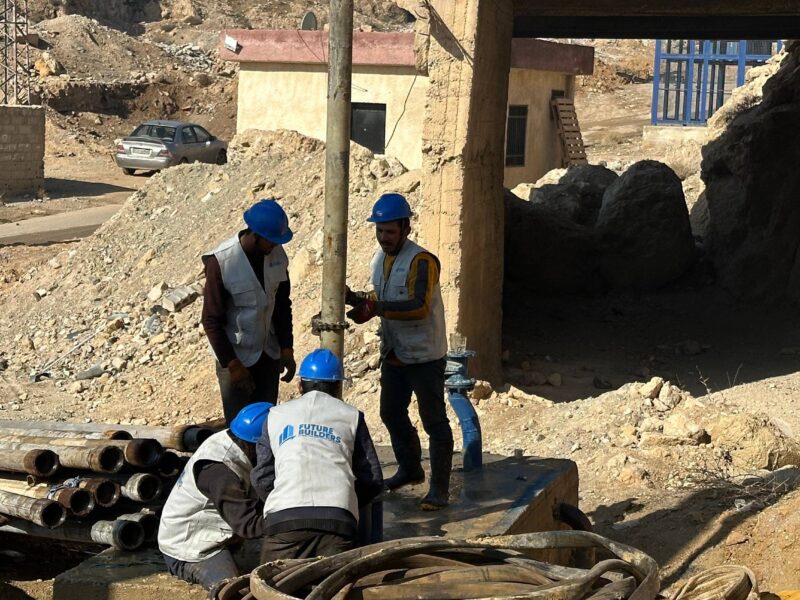
- Complete repair and maintenance of the pumping units.
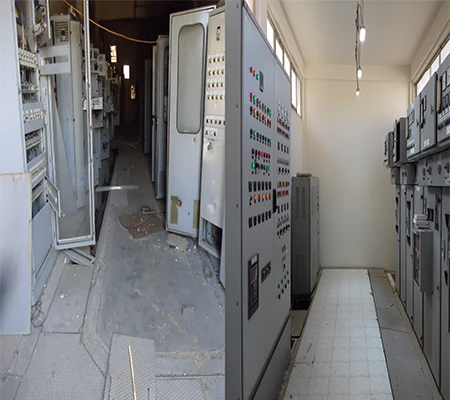
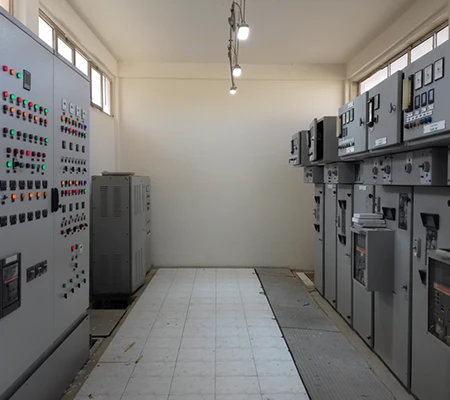
- Modifications to the automated control system.
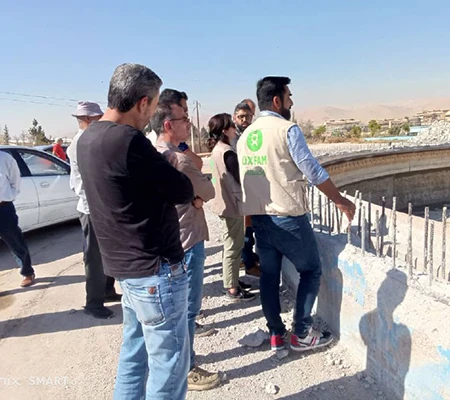
- The work was carried out by specialized local engineering and technical teams in accordance with international standards and quality.
- These works were implemented under the supervision of non-governmental organizations (NGOs).
Additional Technical Details
- Pumping Units: Comprehensive repair of pumping units including motors, pumps, and bearings to ensure restored flow capacity and pressure required for sewage transport within the plant.
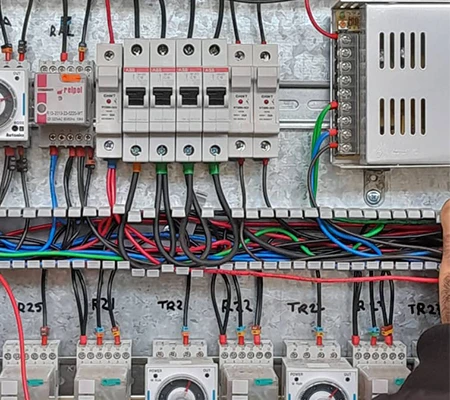
- Automated Control System (SCADA/PLC): Modification and upgrading of the automated control system to include automation of pumping unit operations, enabling remote monitoring, automatic control, and fault alarms.
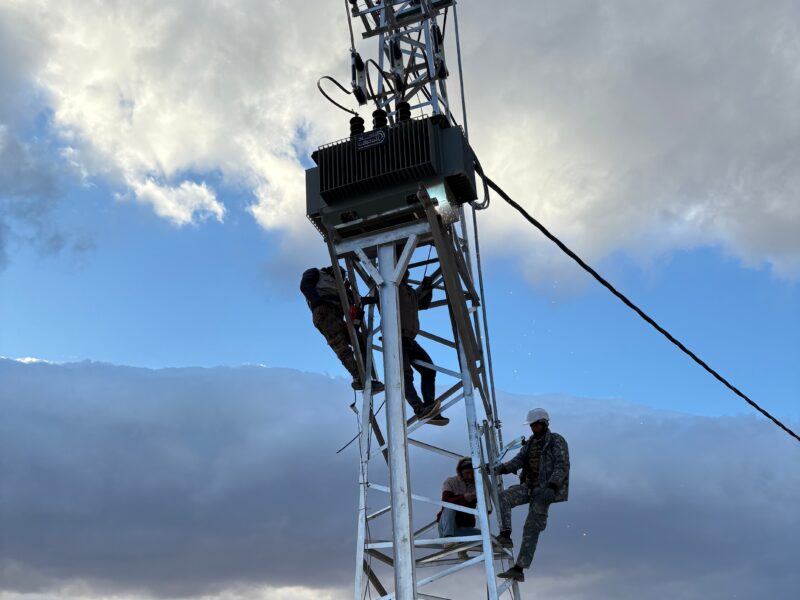
- Electrical Panels: Rehabilitation of Motor Control Centers operating the pumps, specifically relays, circuit breakers, and control wiring, to ensure safe and stable power distribution.
Expected Impacts
- Environmental and public health protection: Reduction of groundwater and soil pollution resulting from untreated wastewater discharge.
- Infrastructure stability: Reduction of recurring pumping unit failures, extending equipment lifespan.
- Community support: Provision of functional service infrastructure supporting the return of displaced persons and improving quality of life.